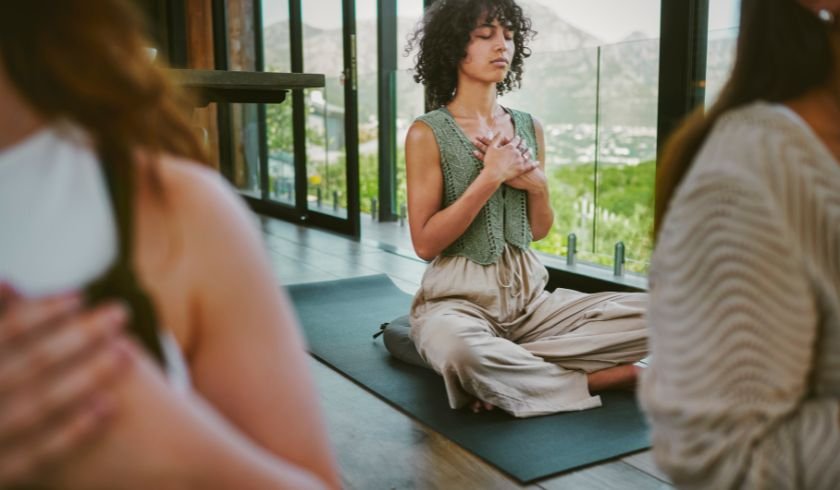
The best wellness retreats Chiang Mai has to offer aren't all created equal. Some focus…
Sleep tourism in Chiang Mai is quietly becoming one of Asia’s most powerful wellness movements. Most people don’t realise that poor sleep costs the global economy over $400 billion a year. Your body can’t heal, think straight, or feel good without proper rest. Chiang Mai’s ancient traditions and mountain air make it uniquely wired for deep sleep. This city isn’t just beautiful — it’s scientifically set up to knock you out. In the best possible way.
Sleep tourism is travel designed entirely around better sleep. Chiang Mai delivers this better than almost anywhere in Asia. Specialist spas, ancient Thai healing traditions, and a cool mountain climate work together naturally. The best experiences layer therapeutic massage, herbal treatments, breathwork, and digital detox into one restorative program. The result is genuine, measurable rest — not just relaxation.
Chiang Mai didn’t accidentally become a sleep tourism hotspot. The city has deep roots in traditional Thai healing, herbal medicine, and mindfulness. Its cooler mountain climate and slower pace naturally support the kind of rest most cities rob you of. Chiang Mai’s wellness industry has grown deliberately, with serious programs backed by real expertise. And there’s a lot more to unpack about why this city genuinely delivers on that promise.
Born in Thailand and raised in Australia, I’ve called Chiang Mai home for the past decade. And when it comes to sleep tourism, this city genuinely surprised me — even as someone already deep in the wellness industry.
Back in Australia, spas were an occasional luxury. Here, restorative healing is simply part of everyday life. The density of genuine, expert-led wellness experiences in Chiang Mai is unlike anything I’ve encountered anywhere else.
As a spa owner and holistic health practitioner with over ten years of experience, I specialise in Thai herbs, aromatherapy, and natural healing — the exact foundations that make sleep tourism work. I’ve seen firsthand how the right combination of scent, touch, and traditional botanical medicine transforms sleep quality. Not just for one night. Genuinely and lastingly.
That decade of immersion in Chiang Mai’s wellness industry gives me a clear view most visitors never get. The city’s sleep tourism offering is deeper, more authentic, and more effective than most people realise. This article exists to change that.
What Is Sleep Tourism and Why Is It Growing?
Sleep isn’t sexy. For decades, hustling on four hours was a badge of honour. But that mindset is cracking — fast.
Burnout is now a global public health crisis. The American Psychological Association calls chronic stress one of today’s biggest health threats. A weekend nap can’t fix that kind of exhaustion.
Sleep tourism fills that gap. It combines travel’s natural mental reset with expert-led rest therapies. Think sleep coaching, herbal treatments, and blackout rooms.
The global wellness tourism market hit $800 billion in 2023. Rest is no longer lazy — it’s the destination.
7 Ways Sleep Tourism in Chiang Mai Helps You Sleep Better
| Treatment | How It Works | Chiang Mai Advantage |
|---|---|---|
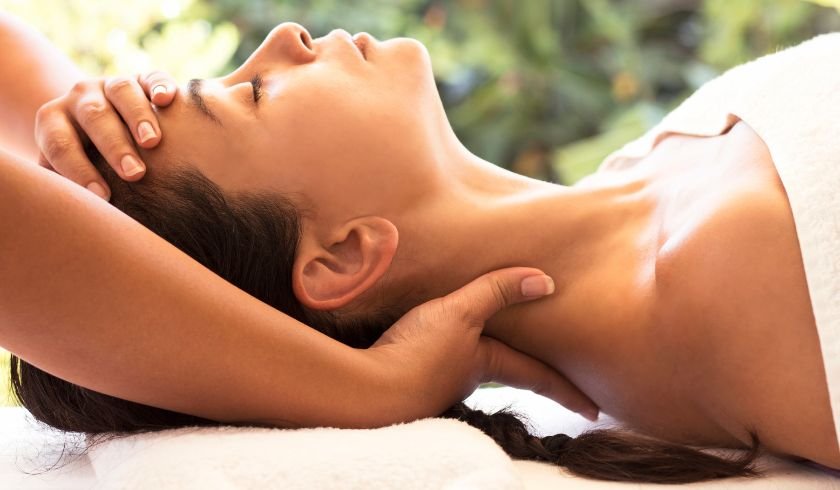
| Therapeutic Massage | Lowers cortisol while raising serotonin and dopamine. University of Miami Touch Research Institute confirms massage measurably improves both sleep quality and duration in clinical settings. | Traditional Thai massage, herbal compress therapy, aromatherapy massage, and reflexology have all been refined in northern Thailand for centuries. Chiang Mai’s high concentration of quality, certified spas means expert treatment is never more than a short walk away. |
| Herbal & Aromatherapy Treatments | Combines heat, pressure, and botanical medicine simultaneously. This triple-effect approach calms the nervous system, reduces muscle tension, and prepares the brain for genuinely restorative sleep. | Northern Thai herbal compress therapy uses locally grown botanicals unavailable elsewhere. The combination of regional herbs, technique, and cultural context makes this experience nearly impossible to replicate. |
| Sleep Environment Optimisation | Temperature, light, and sound directly control sleep quality. Quality retreats deliberately engineer every environmental factor around sleep science, making restful conditions automatic rather than accidental. | Chiang Mai’s cool mountain nights and naturally low humidity create ideal sleep temperatures. The city’s ambient sounds and slower rhythm further support a deeply restorative sleep environment. |
| Mindfulness & Breathwork | Structured breathwork and guided meditation directly interrupt the racing mind. Harvard Medical School links consistent practice to measurably faster sleep onset and longer duration. | Chiang Mai’s living temple culture makes mindfulness feel natural rather than forced. Meditation centres and wellness retreats offer genuine, expert-led sessions rooted in centuries of Buddhist practice. |
| Nutrition & Herbal Supplementation | Lemongrass reduces anxiety, krachai calms the nervous system, and pandan leaf acts as a gentle natural sedative. Combined with magnesium-rich foods, these botanicals actively deepen sleep cycles — per NCCIH research. | Northern Thai cuisine naturally incorporates these sleep-supportive herbs into everyday cooking. Local markets and retreat menus make accessing these powerful botanicals effortless throughout your entire stay. |
What to Expect From a Sleep Tourism Experience
First-timers often don’t know what they’re walking into. Sleep tourism isn’t just a massage and an early bedtime. It’s a structured, intentional approach to resetting your body’s relationship with rest.
Sleep-Focused Therapies and Treatments
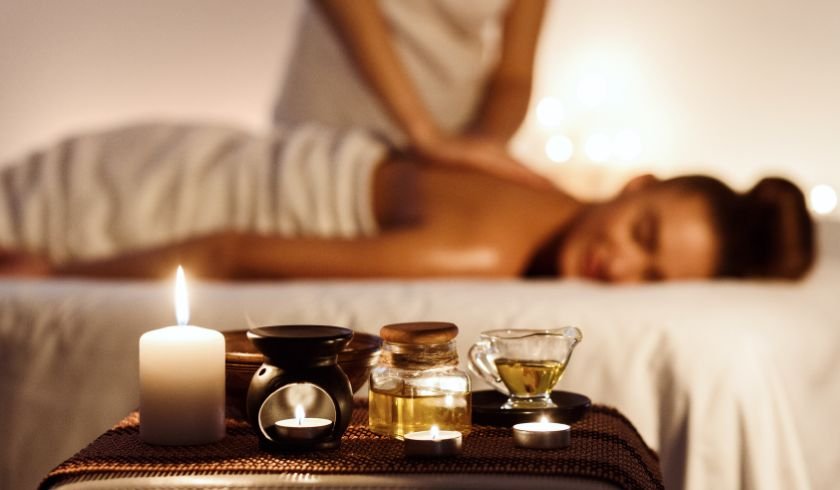
 Expect more than a standard spa menu. Sleep-focused treatments target your nervous system directly. Common therapies include aromatherapy massage, herbal compress treatments, and reflexology.
Many programs add guided meditation, breathwork, and sound therapy. Each treatment lowers cortisol and signals your brain to downshift. The National Sleep Foundation confirms massage therapy measurably improves sleep quality. This is science, not indulgence.
Kiyora Spa’s Sleep Therapy package was designed with one goal in mind: genuinely better sleep. The treatment combines three carefully chosen therapies: a soothing Head, Back and Shoulders Massage, an Arms and Hands Massage, and a Warm Natural Oil Head Massage.
Each treatment flows into the next, systematically releasing tension from head to toe and preparing your nervous system for deep, restorative rest.
Struggling with jet lag, travel stress, or restless nights? Kiyora’s Deep Sleep Restoration treatment was built specifically for you. Magnesium foot therapy, calming aromatherapy, and targeted massage techniques work together to quiet your nervous system completely. The result isn’t just relaxation — it’s your body finally remembering how to sleep.
Wellness Programs vs. One-Off Treatments — What’s the Difference?
A single massage feels great. A structured program actually changes things. Wellness programs typically run three to seven days. They combine daily treatments with sleep coaching, nutrition guidance, and lifestyle adjustments.
One-off treatments deliver short-term relief. Programs rewire patterns. Think of it like this — a bandage versus actual surgery. Both have their place, but only one fixes the underlying problem.
How Long Should You Stay to See Real Results?
Three days is the minimum to feel a genuine shift. Seven days is where real transformation happens. Research from the Global Wellness Institute suggests sustained wellness interventions need at least 72 hours to impact sleep cycles meaningfully.
Anything shorter is a preview. Longer stays compound the benefits significantly. Budget and time permitting, always choose longer.
The Best Spas and Retreats for Sleep Tourism in Chiang Mai
Chiang Mai has no shortage of wellness options. But not all spas are built for sleep tourism specifically. Here’s what’s actually worth your time and money.
Luxury Retreats for a Full Sleep Overhaul
For a complete sleep overhaul, Chiang Mai’s luxury retreats deliver. SHA Plus-certified properties like Dhara Dhevi and Four Seasons Tented Camp offer immersive multi-day wellness programs.
Expect private sleep consultations, customised treatment plans, and world-class facilities. These experiences don’t come cheap — programs typically start at $500 per night. But for serious sleep issues, the investment often pays for itself in restored productivity alone.
Boutique Wellness Spas Worth Knowing About
Boutique spas punch well above their weight in Chiang Mai. Smaller properties often deliver more personalised attention than luxury giants. Look for spas offering traditional northern Thai therapies alongside modern sleep science. Certifications matter — seek out Thailand’s Department of Health-certified wellness providers. Many boutique options sit between $80–$200 per session, making them accessible without compromising quality.
Why Kiyora Spa Is a Hidden Gem for Sleep Treatments
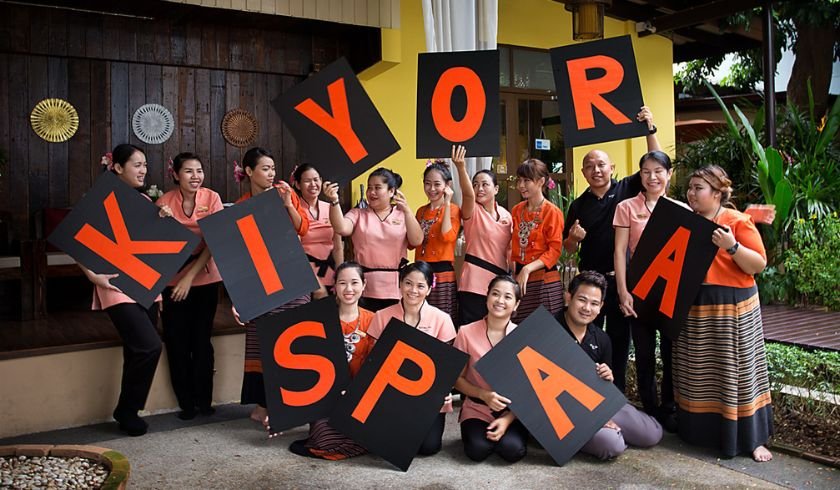
Kiyora Spa quietly stands out in Chiang Mai’s crowded wellness scene. It combines authentic northern Thai therapy techniques with a genuinely personalised approach. Treatments are tailored specifically to stress relief and nervous system recovery — the foundations of better sleep. The atmosphere is intentionally calm, unhurried, and restorative. For travellers wanting real results without luxury resort prices, Kiyora consistently delivers.
How to Plan Your Sleep Tourism Trip to Chiang Mai
Good sleep tourism doesn’t happen by accident. A little planning upfront separates a truly restorative trip from an expensive disappointment. Here’s what you need to know before you book anything.
Best Time of Year to Visit
Chiang Mai has three distinct seasons. The cool season runs November through February — this is the sweet spot. Temperatures drop to around 15°C at night, naturally supporting deeper sleep. Humidity is low, air quality is good, and the city feels genuinely calm.
Avoid March through May if possible. Smoke season from agricultural burning can seriously disrupt sleep quality and breathing.
The rainy season — June through October — is underrated. Cooler temperatures and lush surroundings create surprisingly good sleep conditions.
What to Book in Advance
Don’t leave sleep tourism to chance. Book your spa program or retreat before you arrive — quality providers fill fast. Research certifications, read genuine reviews, and confirm exactly what each program includes. Flight timing matters too. Arriving exhausted from a red-eye defeats the purpose immediately. Build a buffer day into your itinerary. Give your body 24 hours to adjust before beginning any formal sleep program.
Tips to Maximise Your Sleep Results While You’re There
Small habits compound quickly. Limit alcohol — it fragments sleep cycles despite feeling relaxing. Eat dinner early, following Chiang Mai’s natural rhythm. Reduce screen time aggressively, especially after sunset. Spend mornings outdoors — natural light resets your circadian rhythm powerfully. Harvard Medical School confirms morning light exposure is one of the most effective sleep regulators available. Let the city’s natural pace lead you.
Ready to Sleep Better? Experience Kiyora Spa in Chiang Mai
 Still searching for real, restorative rest in Chiang Mai? At Kiyora Spa, sleep tourism isn’t a buzzword — it’s the entire philosophy. Every treatment is designed to calm your nervous system, lower cortisol, and prepare your body for genuinely deep sleep.
Kiyora’s expert therapists combine authentic northern Thai healing techniques with a personalised, unhurried approach. This isn’t standard pampering. It’s intentional recovery — the kind that follows you home.
Book your sleep-focused treatment today and take the first real step toward rest that actually restores you. Enjoy our Free Roundtrip Shuttle Service and arrive already unwinding — before the treatment even begins.

Where in Chiang Mai is Kiyora Spa?
Address: 26/1 Chang Moi Rd Soi 2,
Tambon Chang Moi, Amphoe Mueang
Chiang Mai 50300
Telephone: +66 (0) 95 696 1400

Related Posts