
 Spa-led recovery stays take a different approach. Instead of therapy sessions, they use targeted bodywork — traditional Thai massage, herbal compress therapy, mindfulness — to calm an overworked nervous system. These are typically shorter, more flexible, and far less expensive. They’re not a substitute for clinical care when it’s genuinely needed. But for professionals dealing with everyday burnout — chronic exhaustion, tension, a nervous system stuck in overdrive — this path often does the job.
Where in Chiang Mai is Kiyora Spa?
Address: 26/1 Chang Moi Rd Soi 2,
Tambon Chang Moi, Amphoe Mueang
Chiang Mai 50300
Telephone: +66 (0) 95 696 1400

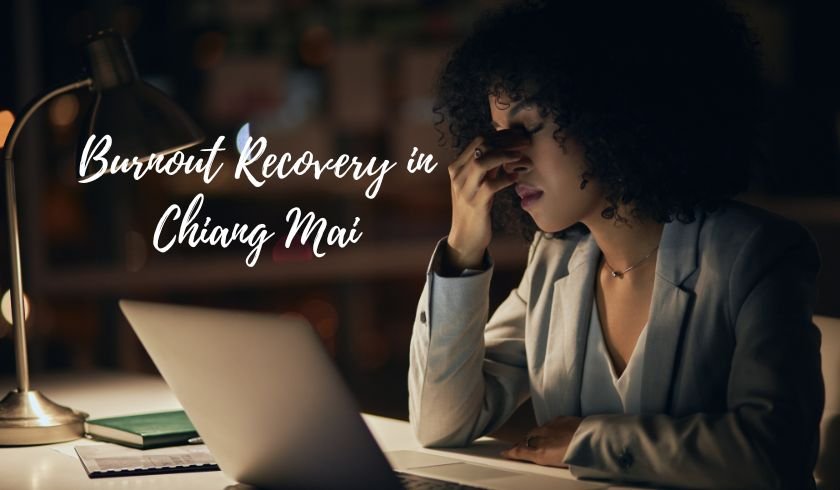
A burnout retreat for professionals in Chiang Mai isn’t one single thing. Some are clinical rehab centers with therapists and psychological evaluations. Others are spa-led resets built around massage, herbal therapy, and rest. Most people searching for one don’t know the difference exists. Picking the wrong type wastes money and, worse, your one real shot at recovery. This guide breaks down both paths so you choose the one your burnout actually needs.
As a general rule, a burnout retreat for professionals in Chiang Mai falls into two categories: clinical rehab programs with therapists, and spa-led resets built around Thai massage and herbal therapy. Kiyora Spa offers the latter, supporting recovery through targeted bodywork and rest.
That split matters because burnout isn’t the same for everyone. Some professionals need structured clinical care — evaluation, therapy, a real treatment plan for severe symptoms or co-occurring conditions. Others just need genuine rest, away from routine, with treatments that calm an overworked nervous system. That’s where Thai massage, herbal compresses, and quiet mornings do real work. Below, we’ll walk through both paths in detail, plus how to tell which one fits your situation.
Most people think burnout means being really tired. So they sleep in, take a long weekend, maybe book a short holiday. Monday comes around and they feel exactly the same. That’s because burnout isn’t a tiredness problem — it’s a physiological one. Chronic stress physically changes how your brain and nervous system function. A nap can’t undo that.
True burnout recovery needs deliberate, targeted treatment. Think of it like a broken bone. You wouldn’t just “rest” a broken leg and expect it to heal without a cast. Burnout needs the right treatment, in the right environment. That’s what makes a well-chosen spa in Chiang Mai so powerful — and so different from simply lying on a beach.
By the time burnout feels emotional, it’s already physical.
Chronic stress locks your nervous system into “fight or flight” mode. Over time, your body simply forgets how to switch off. A 2019 study in Psychoneuroendocrinology found burned-out individuals showed measurably disrupted cortisol patterns. It’s biological — not just “in your head.”
Watch for these signs:
This is exactly why treatments that activate the parasympathetic nervous system — like traditional Thai massage and herbal therapies — are so effective for burnout recovery.
Bali gets all the Instagram attention. But quietly, Chiang Mai has built one of the most legitimate wellness reputations in Southeast Asia. It’s not just the temples or the mountain air. It’s the combination — ancient healing knowledge, skilled therapists, and an atmosphere that slows you down the moment you land.

For burned-out professionals flying in from Sydney, London, or Singapore, that shift in pace is almost physical. The city moves differently. And for a nervous system running on cortisol for months, that matters more than you’d think.
Northern Thailand has practised therapeutic bodywork for over 2,500 years. This isn’t a wellness trend — it’s a living medical tradition. Traditional Thai massage, or Nuad Thai, was added to UNESCO’s Intangible Cultural Heritage list in 2019.
What makes it relevant to burnout? These therapies were designed to restore energy flow, release physical tension, and rebalance the body’s systems — which maps directly onto what burnout disrupts. Thai massage works along sen lines, the body’s energy pathways. Herbal compress therapy uses heat and medicinal plants to ease deep muscular tension.
Chiang Mai sits at the heart of this tradition. The city has more trained traditional medicine practitioners per capita than almost anywhere else in Thailand.
Let’s talk money — because it matters.
A burnout wellness retreat in Switzerland or the UK can cost £5,000–£15,000 per week. In Chiang Mai, quality spa treatments run between 500–2,500 Thai Baht (roughly $15–$70 USD) per session. That’s world-class therapy at a fraction of the price.
Lower cost also means you can stay longer. With burnout recovery, duration matters. A longer reset in Chiang Mai will outperform a rushed, expensive weekend in Europe almost every time.
Once you’ve picked a lane — clinical or spa-led — it helps to know what an actual day looks like. Clinical programs typically structure days around therapy sessions, group work, and evaluation check-ins, balanced with rest and light activity. Spa-led retreats structure days around treatment, not talk therapy — but the goal is the same: shift your body out of chronic fight-or-flight mode.
For a spa-led stay specifically, that usually means a mix of bodywork, herbal treatments, and quiet time built into the schedule rather than a single one-off massage. The best programs treat each session as part of a pathway, not a random menu item. Kiyora Spa’s approach reflects this — treatments are chosen to work together, each one targeting a different piece of what chronic stress does to the body.
 Traditional Thai massage is the anchor of most spa-led recovery stays. It uses rhythmic pressure and passive stretching along the body’s sen energy lines, directly stimulating the parasympathetic nervous system — the “rest and digest” state chronic stress switches off. A 2015 study in the Journal of Bodywork and Movement Therapies found Thai massage significantly reduced anxiety and improved sleep quality.
Herbal compress therapy pairs well with it. Heated bundles of Northern Thai herbs — lemongrass, turmeric, ginger — deliver heat therapy directly to areas where tension builds up most: the neck, shoulders, and lower back. Kiyora Spa uses both as core parts of its recovery-focused treatments.
Breathwork is one of the fastest ways to manually shift the nervous system out of fight-or-flight. Techniques like diaphragmatic breathing activate the vagus nerve directly — the connection between brain and parasympathetic response. Paired with guided mindfulness, even two or three sessions can produce measurable changes in resting heart rate.
Rest matters just as much as any treatment. A recovery-focused stay builds in genuine downtime, not just gaps between sessions. That distinction — treatment and rest working together, rather than treatment squeezed between sightseeing — is what separates a real recovery stay from a regular holiday.
Duration depends entirely on which path you’ve chosen — and how depleted you actually are.
Clinical programs typically run two to four weeks. That length isn’t arbitrary — it reflects how long structured therapy and evaluation genuinely take to produce lasting change. Shorter clinical stays exist, but severe burnout usually needs the longer timeframe to work.
Spa-led retreats are more flexible. Three days is enough to decompress and shift out of fight-or-flight mode, though don’t expect a full recovery. Seven days is where real progress happens — most people report sleeping deeply and thinking clearly by day five. Kiyora Spa’s retreat programs are built around these timeframes specifically.
Most people underestimate how depleted they are and book too short a stay. Whichever path you choose, err on the side of more time, not less.
The best burnout-focused spas don’t just offer a menu of treatments. They offer a pathway. Each therapy should serve a purpose — calming the nervous system, releasing stored physical tension, or restoring sleep and energy.
Here’s what to prioritise.
This is the cornerstone of burnout recovery in Chiang Mai. Traditional Thai massage uses rhythmic pressure, passive stretching, and work along the body’s sen energy lines. It directly stimulates the parasympathetic nervous system — the “rest and digest” state your body has forgotten. A 2015 study in the Journal of Bodywork and Movement Therapies found Thai massage significantly reduced anxiety and improved sleep quality.

Herbal steam therapy uses medicinal Northern Thai herbs — lemongrass, kaffir lime, turmeric, and ginger — heated to release therapeutic compounds. The steam opens pores, improves circulation, and promotes deep muscular relaxation. For burned-out bodies carrying months of physical tension, this is profoundly effective. It also supports lymphatic drainage, helping the body clear the biochemical residue of chronic stress.
Breathwork is one of the fastest ways to manually shift your nervous system out of fight-or-flight. Techniques like diaphragmatic breathing and box breathing directly activate the vagus nerve — the highway between your brain and your parasympathetic system. Paired with guided mindfulness, these sessions retrain your body’s stress response over time. Even two or three sessions can produce measurable changes in resting heart rate.
Herbal compress treatments — heated muslin bundles packed with medicinal herbs — deliver targeted heat therapy to areas where tension accumulates most: the neck, shoulders, and lower back. These are the places burnout lives in the body. Body scrubs using rice bran, tamarind, or coconut remove dead skin while stimulating circulation. Simple, effective, and deeply grounding for an overstimulated nervous system.
Not every spa builds a genuine retreat around burnout recovery. Kiyora Spa does. Tucked away from the noise of the city, Kiyora has structured three dedicated programs, each targeting a specific level of depletion — so guests aren’t guessing at what to book or piecing together a schedule themselves.
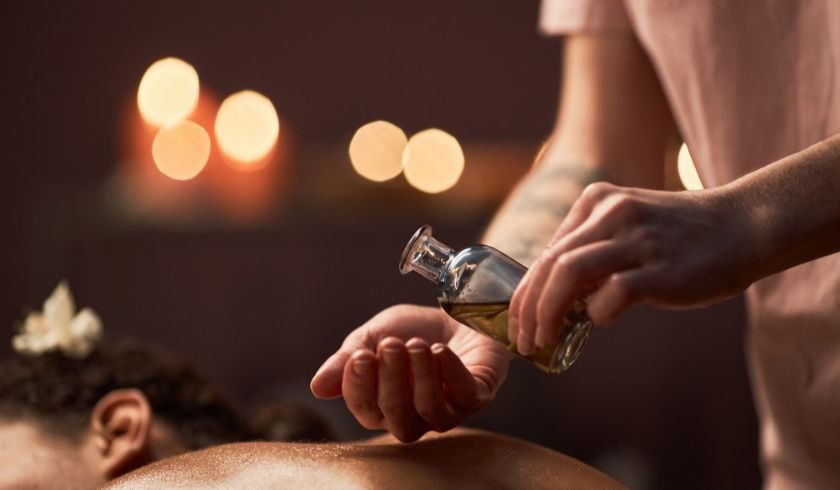
Each retreat caps at four guests, keeping the experience genuinely private and personalised rather than run like a group itinerary. Treatments are sequenced with intention, not offered as a random menu. That structure is what separates a real retreat from a nice afternoon at a spa.
The Restore Retreat (3 days) targets the earliest signs of burnout — a nervous system stuck on high alert, poor sleep, and the inability to switch off. Personalised aromatherapy, herbal steam, and therapeutic treatments are sequenced to calm the body and begin restoring rest.
The Deep Recovery Retreat (7 days) moves through three phases — Detox, Heal, and Restore — addressing burnout at the nervous system, cellular, and energetic level. It includes deep therapeutic massage, sound healing, a private waterfall visit, and a botanical workshop where guests blend their own aromatherapy roll-ons to take home.
Together, these two programs cover the range most burned-out professionals actually need — from an early reset to a genuine, full-week transformation.

There is also The Office Syndrome Body Reset (4 days), popular with professionals, which focuses on the physical toll of desk-bound work — tension headaches, neck and back pain, and eye strain. It combines deep tissue and hot stone massage, corrective yoga, and a personalised herbal steam, with a posture assessment to track real, visible change.
Kiyora’s treatment menu covers the key therapeutic bases that burnout recovery requires. Here’s what’s worth knowing. These treatments aren’t standalone extras — they’re the building blocks used throughout the Restore, Office Syndrome, and Deep Recovery retreats, sequenced differently depending on which program you choose.
Traditional Thai Massage is the anchor treatment. Kiyora’s therapists are formally trained in Nuad Thai technique — not the watered-down tourist version found in street-side shops. Sessions work systematically along the body’s energy lines, releasing accumulated physical tension and restoring circulation. For someone carrying months of stress in their body, a single session can feel like a full system reboot.
 Herbal compress therapy is where Kiyora genuinely shines. Using locally sourced Northern Thai herbs, the heated compress bundles penetrate deep muscle tissue — targeting the neck, shoulders, and back where burnout tension concentrates most.
Aromatherapy massage using therapeutic-grade essential oils adds another layer. Specific oils — lavender, frankincense, bergamot — have documented calming effects on the central nervous system.
Detox body treatments round out the recovery toolkit, supporting lymphatic drainage and helping the body process the biochemical load of prolonged stress.
The biggest mistake people make is returning to exactly the same conditions that caused the burnout. The spa did the work. Now you have to protect it.
Identify one boundary you can realistically maintain — a hard stop on work emails after 7pm, one tech-free morning per week, a monthly massage booking at home.
Small, consistent actions compound. The nervous system learns safety through repetition. One week in Chiang Mai plants the seed. What you do in the following months determines whether it actually grows.
Still have questions? You’re not alone. Burnout recovery is a deeply personal process — and choosing to invest in a spa visit in Chiang Mai is a real decision that deserves real answers. Here are the most common questions people ask before booking.
Who is a burnout recovery spa in Chiang Mai best suited for?
Anyone experiencing chronic exhaustion, emotional flatness, or physical tension that rest hasn’t resolved. It’s particularly effective for professionals, carers, and business owners who have been running on adrenaline for too long and need a structured reset in a genuinely calm environment.
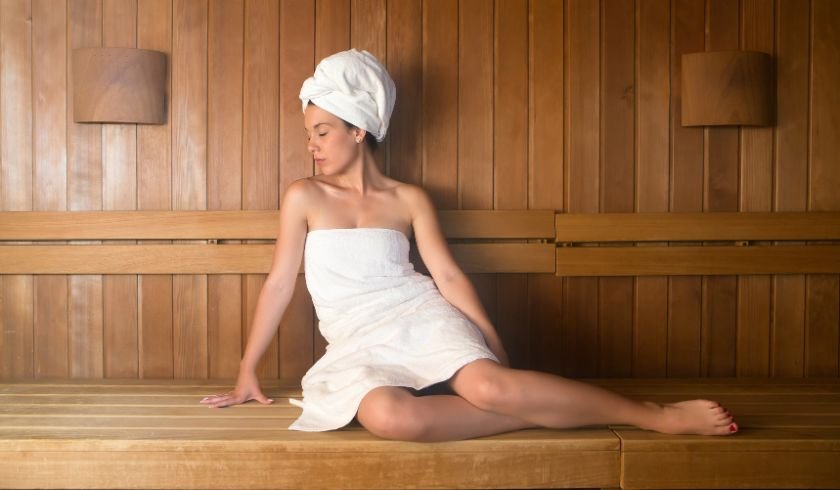
What’s the difference between a clinical burnout retreat and a spa-led retreat?
Clinical retreats involve therapists, evaluations, and structured treatment plans, usually over several weeks. Spa-led retreats use bodywork and herbal therapy to calm the nervous system, typically over a shorter, more flexible stay.
How do I know which type of retreat I need?
If burnout is severe or overlaps with depression or anxiety, clinical care is the safer choice. If you’re exhausted and tense but managing day-to-day, a spa-led retreat may be enough.
Is a spa-led retreat a substitute for therapy?
No. It’s an effective tool for everyday burnout, but it isn’t a replacement for clinical care when clinical care is genuinely needed.
How much does a burnout retreat in Chiang Mai cost?
Clinical programs typically run into the thousands of dollars for a multi-week stay, though still far less than equivalent Western programs. Spa-led sessions run roughly $15–$70 USD per treatment.
Can I combine both approaches?
Some professionals start with a spa-led reset and add clinical support afterward if needed. There’s no rule against blending the two based on what you actually need.
Is a spa visit enough to recover from burnout?
For mild-to-moderate burnout, a well-structured spa visit combined with genuine rest can produce significant recovery. For severe burnout with co-occurring depression or anxiety, professional mental health support is also recommended alongside spa treatments. A spa is a powerful tool — not a substitute for clinical care.
How is burnout different from stress or depression?
Stress eases when external pressure lifts. Burnout persists even after the stressor is gone — the tank is simply empty. Depression is a clinical mood disorder not necessarily tied to external circumstances. All three can overlap, which is why professional assessment matters when symptoms are severe.
How long does burnout recovery typically take?
It varies significantly by individual and severity. Mild burnout may resolve within weeks with proper rest and treatment. Moderate-to-severe burnout can take several months. A focused stay in Chiang Mai accelerates the process — but sustained recovery also requires lifestyle changes after you return home.
What is the best time of year to visit Chiang Mai for wellness?
November to February is ideal — cool, dry weather and clear skies make outdoor recovery activities far more enjoyable. March to May brings heat and smoke season, which can affect air quality. The rainy season from June to October is quieter and more affordable, with lush green surroundings.
 Ready to give your nervous system the reset it’s been asking for? At Kiyora Spa in Chiang Mai, burnout recovery isn’t a packaged label — it’s what happens when herbal steam, therapeutic touch, and genuine expertise work together. This is real recovery, not just pampering.
Burned-out professionals choose Kiyora for skilled therapists, curated treatments, and the kind of calm that actually lets your body exhale. Combine traditional Thai massage with herbal steam therapy and feel the difference a truly intentional session makes.
We also offer a free roundtrip shuttle service — so recovery starts before you walk through the door. No navigation stress. Just arrive, breathe, and let go.
Book your visit today. Your nervous system will thank you.

Book online at kiyoraspa.com or call +66 52-003-268.