Where in Chiang Mai is Kiyora Spa?
Address: 26/1 Chang Moi Rd Soi 2,
Tambon Chang Moi, Amphoe Mueang
Chiang Mai 50300
Telephone: +66 (0) 95 696 1400


Massage for diabetics in Chiang Mai can go very wrong. Most therapists here are talented, but diabetes changes everything about how your body responds to massage. One wrong technique on a numb foot could cause real damage you won’t even feel. That 200-Baht foot massage on the corner? It could cost you far more than you think. Before you lie down on that table, you need to read this. Your health depends on it.
As a general rule, massage is safe for diabetics — but only with the right techniques and a therapist who understands your condition. In Chiang Mai, Kiyora Spa adjusts every treatment to ensure a safe and effective massage for diabetic clients.
Diabetes affects your circulation, nerve sensitivity, and skin healing in ways most people overlook. These aren’t small details — they change how your body responds to pressure and touch. Certain techniques that feel great on healthy tissue can cause bruising or nerve irritation for diabetics. The good news is that massage, done correctly, can actually support better circulation and stress relief. Keep reading — there’s a lot more you need to know before booking that appointment.
Born in Thailand and raised in Australia, I’ve called Chiang Mai home for the past decade. Back in Australia, managing chronic health conditions with complementary therapies was considered alternative. Here, therapeutic touch and natural healing are simply part of everyday life. That shift in perspective is exactly what inspired me to build Kiyora Spa around something most spas overlook — genuine clinical awareness.
As a Co-founder of Kiyora Spa and a holistic health practitioner with over ten years of experience, I specialise in Thai herbs, aromatherapy, and therapeutic massage — the exact foundations that make safe diabetic treatment possible. I’ve seen firsthand how the right combination of technique, pressure, and traditional botanical medicine supports circulation, reduces neuropathy symptoms, and stabilises stress-related blood sugar spikes.
Living with diabetes means managing far more than blood sugar. It quietly reshapes your circulation, nerves, and skin. Most people don’t realise how deeply these changes affect everyday experiences — including massage. Understanding what’s happening inside your body is the key to getting a safe spa treatment in Chiang Mai.
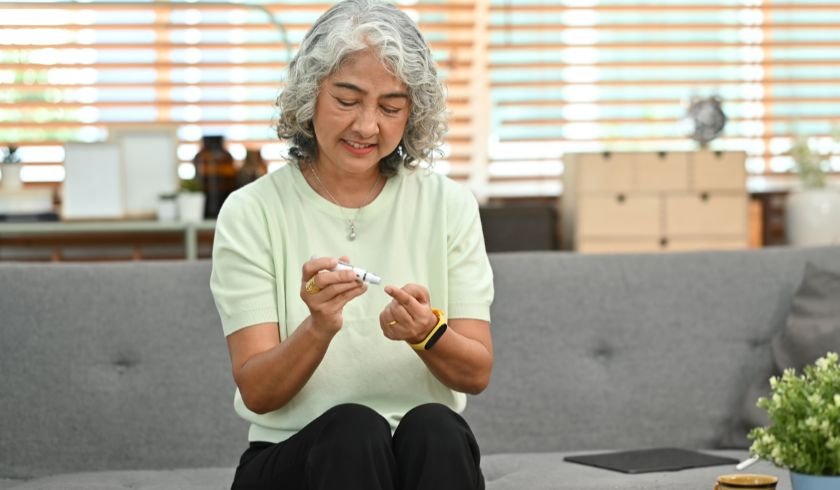
High blood sugar slowly damages blood vessel walls. This reduces circulation — especially to your feet and hands. Nerve damage, known as peripheral neuropathy, affects around 50% of long-term diabetics, per the American Diabetes Association. It starts as tingling, then progresses to numbness. Skin elasticity also drops, wounds heal slowly, and dry cracked skin on the feet is common and frequently underestimated.
Neuropathy means you can’t always feel excessive pressure or heat — damage happens before you notice. Massage also speeds up blood flow near injection sites, accelerating insulin absorption up to six times faster than normal, risking hypoglycemia. Fragile skin is equally important — deep friction or percussive techniques can bruise or tear tissue that heals poorly in diabetics.
This is the question every diabetic asks before lying down on that table. The short answer is yes — but with conditions. Massage isn’t a one-size-fits-all treatment. For diabetics, it requires the right technique, the right therapist, and the right timing. Get those three things right and massage can be genuinely therapeutic.
The evidence is encouraging. A 2011 study of diabetic children in Iran showed statistically significant drops in blood sugar after regular Swedish massage sessions. A 2015 Thai foot massage study found improvements in foot sensation, range of motion, and mobility in Type 2 diabetics. Researchers at NCBI concluded there is little evidence suggesting massage is harmful or contraindicated for diabetics when basic precautions are followed.
Massage should be avoided if your blood sugar is unstable or uncontrolled. Open wounds, ulcers, or active infections on the skin are immediate red flags. If you have severe cardiovascular complications or kidney disease, always get physician clearance first. Even with well-managed diabetes, deep pressure over injection sites, inflamed tissue, or areas with severe neuropathy should always be avoided.
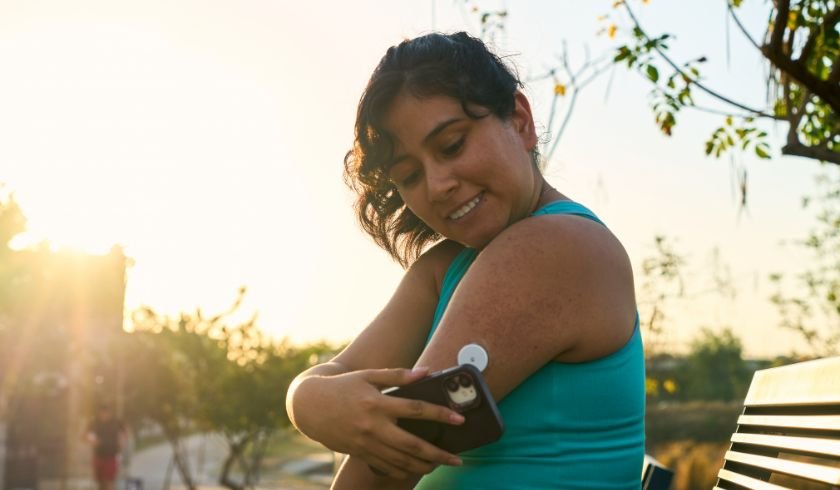
Massage isn’t just relaxing — for diabetics, it can be genuinely medicinal. Research shows it supports three areas that diabetes directly attacks: stress levels, circulation, and nerve health. These aren’t small wins. They’re core pillars of diabetes management. Done consistently and correctly, massage becomes less of a luxury and more of a legitimate wellness tool.
Stress raises blood glucose levels. When your body hits “fight or flight,” it dumps sugar into your bloodstream. For diabetics, that spike is dangerous. Duke University researchers confirmed that stress management directly lowers blood glucose. Massage triggers the parasympathetic nervous system — your “rest and digest” mode. That shift alone can produce measurable drops in blood sugar after a single session.
Poor circulation is one of diabetes’ most damaging long-term effects. Massage mechanically pushes blood through vessels, improving oxygen and nutrient delivery to the extremities. Better circulation improves the cells’ insulin uptake too. For feet and legs already struggling with restricted blood flow, even a gentle massage creates meaningful improvement. Regular sessions compound that benefit significantly over time.
Neuropathy is painful, frustrating, and often poorly managed by medication alone. Research shows massage and reflexology can measurably reduce neuropathy symptoms in diabetic patients. A Touch Research Institute study demonstrated reduced pain and improved sensation with consistent bodywork. Gentle techniques applied carefully to affected extremities can restore partial sensation and significantly improve quality of life for long-term diabetics.
Not all massages are created equal — especially for diabetics. Some techniques are genuinely beneficial. Others can cause real harm. Knowing the difference before you book is essential. Chiang Mai has hundreds of massage options, from 200-Baht street shops to premium day spas. The variety is exciting but also overwhelming. This section cuts through the noise and tells you exactly what works, what doesn’t, and why.
Swedish massage uses slow, flowing strokes with light-to-medium pressure. It’s ideal for diabetics because it improves circulation without aggressive tissue manipulation. It also triggers deep relaxation, directly supporting blood sugar regulation. For first-time diabetic massage clients, Swedish is the safest and most predictable starting point before exploring other techniques.
A 2015 study found Thai foot massage improved sensation, range of motion, and mobility in Type 2 diabetics after just two weeks. Reflexology applies targeted pressure to specific foot zones, reducing neuropathy symptoms noticeably. Both are excellent choices — provided the therapist uses gentle pressure and avoids broken skin or active ulcers.
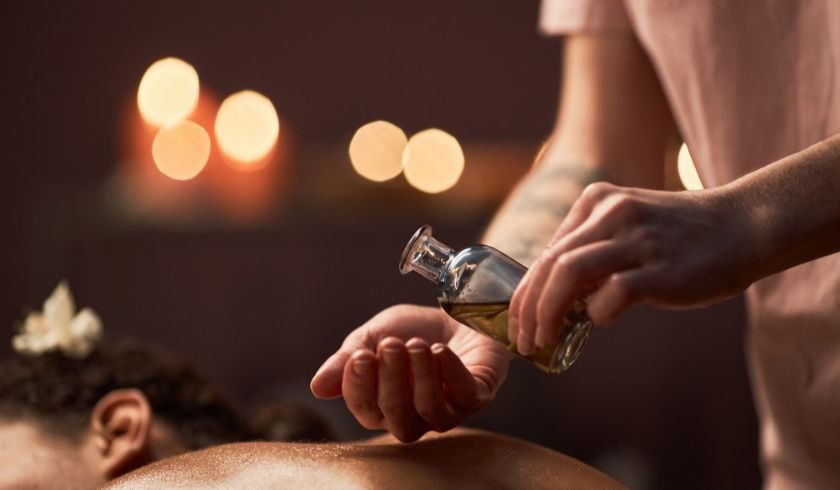
Aromatherapy massage combines gentle strokes with therapeutic essential oils. The light pressure makes it inherently safer for fragile diabetic skin. Certain oils — like lavender and frankincense — have demonstrated anti-inflammatory properties that complement diabetes management. It’s also deeply relaxing, making it doubly effective for stress-related blood sugar spikes.
Traditional deep tissue and vigorous Thai massage carry real risks for diabetics. Strong stretching, aggressive acupressure, and percussive techniques can damage fragile tissue and nerves. Hot stone massage over neuropathic areas risks burns the client may not feel. These aren’t absolute prohibitions — but they require significant modification by an experienced, informed therapist.
Knowing the right massage type is only half the equation. The other half is preparation. Diabetics who walk into a spa without taking a few simple precautions are taking an unnecessary risk. The good news is that these steps are straightforward. A little planning before your appointment makes the difference between a genuinely therapeutic experience and one that leaves you worse off than when you arrived.
Always test your blood sugar before a massage. Ideal levels sit between 100–180 mg/dl. Too low risks hypoglycemia during the session. Too high means your body isn’t in the right state for treatment. Eat a light snack beforehand and bring glucose tablets or juice — just in case levels drop unexpectedly mid-session.

Insulin injection sites need a minimum 24-hour buffer before massage. Bodywork over a recent injection site accelerates absorption dramatically — potentially triggering dangerous blood sugar crashes. Before your session, clearly mark or communicate exactly where your most recent injections were. A good therapist will document this and avoid those areas completely.
Never assume heat is safe on neuropathic areas. If sensation is reduced, you genuinely cannot judge temperature accurately. Hot packs and hot stones over affected areas risk serious burns — even when nothing feels wrong. A trained therapist should rely on their own temperature sensitivity, not yours, when applying any heat-based treatment.
Chiang Mai has over 400 registered massage establishments. That’s a lot of options — and a lot of room for error. For diabetics, choosing the right spa isn’t about finding the fanciest décor or the cheapest price. It’s about finding a therapist who actually understands your condition. Most spas in Chiang Mai are excellent for healthy clients. Far fewer are equipped to handle the specific needs of a diabetic guest.
Don’t be shy — ask direct questions before committing. Does the spa conduct a pre-treatment health consultation? Do therapists have training in medical conditions or contraindications? Can they modify pressure, heat, and technique based on your needs? A spa that hesitates or dismisses these questions is telling you something important. The right spa will welcome them without missing a beat.
Technique matters — but knowledge matters more. A therapist who understands peripheral neuropathy will automatically avoid deep pressure on affected areas. One who knows about insulin absorption won’t go near injection sites. This kind of informed instinct only comes from proper training. In Chiang Mai, therapist quality varies enormously. Always ask about training credentials and experience with medical conditions before booking.
Not many spas in Chiang Mai take diabetes seriously as a clinical consideration. Kiyora Spa is one that does. Located in the heart of the city, Kiyora has built a reputation for thoughtful, health-conscious treatments that go beyond standard relaxation. For diabetic visitors and residents in Chiang Mai, that distinction matters enormously. This isn’t marketing — it’s the practical difference between a spa that accommodates you and one that actually understands you.
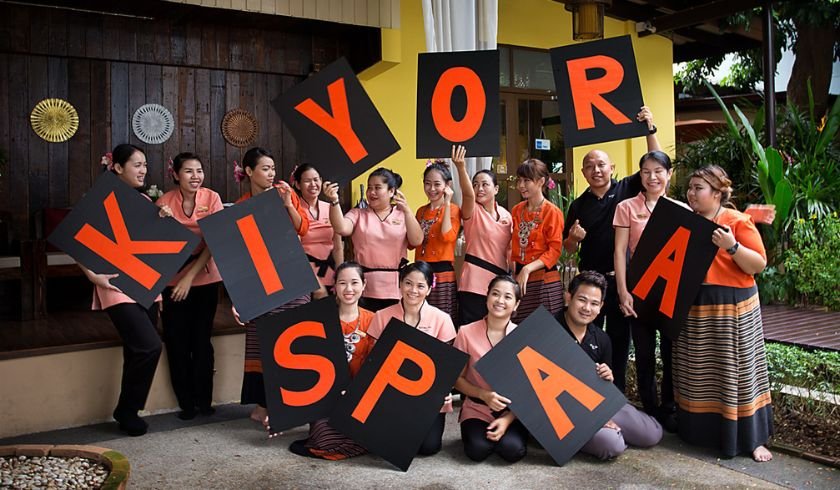
Every Kiyora treatment begins with a detailed health consultation. Therapists are trained to identify contraindications specific to diabetes — neuropathy, injection sites, skin fragility, and circulation issues. Pressure, heat, and technique are adjusted accordingly. Gentle oil-based massage and reflexology are preferred for diabetic clients. Nothing is left to chance. The treatment is built around your condition, not applied despite it.
From arrival, Kiyora’s intake process flags medical conditions clearly. The receptionist will ask about blood sugar management, injection sites, and any neuropathy symptoms which will then be passed on to the therapist, well before starting the session. Free transport within Chiang Mai city makes access easy. The environment is calm, private, and professionally managed. For diabetics navigating an unfamiliar city, that combination of clinical awareness and genuine hospitality is genuinely hard to find elsewhere.
Diabetes and massage raise a lot of practical questions. Here are the most common ones — answered clearly and honestly, without the medical jargon.
Yes — with physician clearance and careful blood sugar monitoring. Type 1 diabetics require extra attention around injection sites and hypoglycemia risk during sessions.
Yes. A light snack beforehand stabilises blood sugar. Always bring glucose tablets or juice as backup in case levels drop unexpectedly during treatment.
Traditional Thai massage requires significant modification for diabetics. Deep pressure and aggressive stretching carry real risks. A gentler, adapted version performed by a trained therapist is considerably safer.
Research suggests two to three sessions per week delivers measurable benefits for circulation and neuropathy. Even one monthly session provides meaningful stress reduction and blood sugar management support.
 Ready to experience a safe massage for diabetics in Chiang Mai? At Kiyora Spa, it is more than a standard visit — it is a chance to let expert therapists adapt every technique specifically for your condition.
Treat yourself to one of Chiang Mai’s most trusted spa experiences and book today. Diabetics choose Kiyora for thoughtful, medically aware treatments that support real wellness, not just relaxation. Enjoy our Free Roundtrip Shuttle Service for extra ease and arrive ready to feel genuinely cared for from the moment you step in.

Book online at kiyoraspa.com or call +66 52-003-268.