Not every stress relief massage in Chiang Mai will actually relieve your stress. Some will…
Getting a massage for better sleep sounds like a no-brainer — until you get it wrong. Most tourists in Chiang Mai walk into the nearest cheap shop and wonder why they feel worse the next morning. The wrong pressure, the wrong technique, the wrong timing — it all matters more than you think. Poor sleep isn’t just annoying; it quietly wrecks your immune system, your mood, and your waistline. You wouldn’t let just anyone rewire your house. So why let just anyone touch your nervous system?
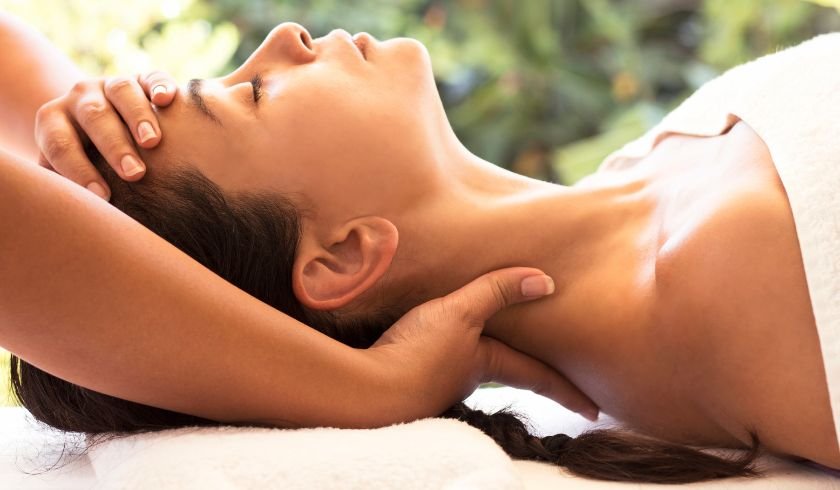
As a whole, massage improves sleep by calming the nervous system, lowering cortisol, and relaxing muscles that tension keeps tight. Swedish massage does this best — its long, flowing strokes improve circulation, ease tension, and produce the strongest relaxation response of any massage style.
Think of your body like a computer that never gets shut down properly. Over time, it slows down, overheats, and starts making mistakes. Massage is the restart button your body actually needs. But not all massages are created equal — and that’s where most people go wrong. Stick around, because what comes next could completely change how you sleep tonight.
Why Sleep Quality Matters
Sleep isn’t just rest — it’s your body’s nightly maintenance cycle. Every system in your body depends on it. Miss enough of it and everything starts to crack. Most people treat sleep like a luxury. It isn’t. It’s as essential as food, water, and air.
What Poor Sleep Actually Does to Your Body
Think of your immune system as an army. Poor sleep sends half those soldiers home. A landmark UC Berkeley study found sleep-deprived people had 70% less immune activity overnight. That’s not just a bad night — that’s leaving your front door wide open.
It doesn’t stop there. Chronic poor sleep rewires your brain’s emotional control centre. Small problems feel enormous. Patience disappears — literally overnight. According to research published in the Journal of Sleep Research, people with insomnia are ten times more likely to develop clinical depression than healthy sleepers.
Your waistline takes a hit too. Sleep loss spikes ghrelin — your hunger hormone — while crashing leptin, which signals fullness. Translation: you eat more and never feel satisfied. Stanford researchers confirmed that short sleepers weighed significantly more than those getting adequate rest.
How Much Sleep Do Adults Actually Need?
The National Sleep Foundation recommends seven to nine hours nightly for adults. Sounds simple. Most people aren’t even close. The global average sits closer to six hours forty minutes — well below the threshold needed for full recovery.
Here’s the uncomfortable truth: you can’t “bank” sleep on weekends. That’s a myth your body simply doesn’t honour. Dr. Matthew Walker, neuroscientist and author of Why We Sleep, compares catching up on sleep to holding your breath — you compensate briefly, but the damage accumulates regardless.
Age matters too. Teenagers genuinely need eight to ten hours — their brains are still developing rapidly. Older adults naturally experience lighter, more fragmented sleep. Neither group is being lazy. According to the American Academy of Sleep Medicine, biology is simply running the show.
What Is Insomnia? Causes and Symptoms
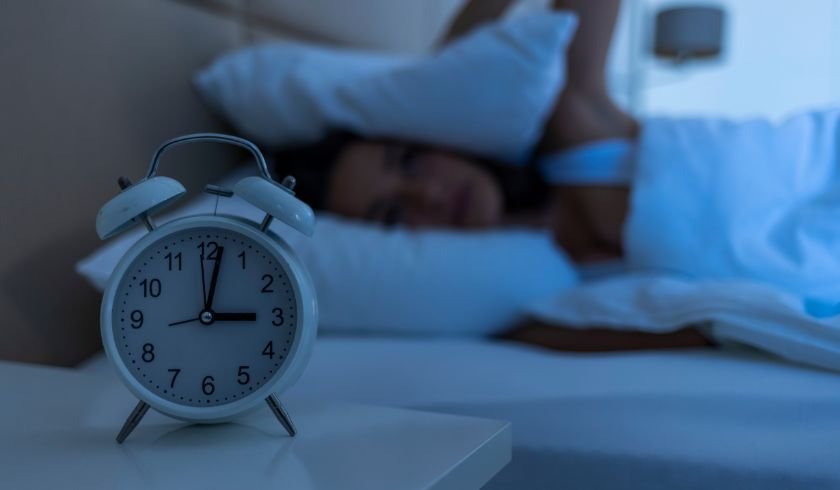
Insomnia isn’t just “a few bad nights.” It’s a recognised sleep disorder affecting roughly one in three adults globally. Some people struggle to fall asleep. Others wake repeatedly. Either way — you’re exhausted, frustrated, and running on empty.
Common Triggers of Insomnia
Stress is the number one culprit. Your brain treats worry like a fire alarm — it won’t let you rest while it’s ringing. The American Psychological Association found 43% of adults lie awake at night because of stress.
Screens are a silent saboteur. Blue light suppresses melatonin — your body’s natural sleep signal. Harvard Medical School confirmed evening screen exposure delays sleep onset by up to three hours.
Caffeine deserves its own mention. It has a half-life of five to seven hours. That 3pm coffee is still half-active at 9pm. The Journal of Clinical Sleep Medicine confirmed caffeine consumed six hours before bed significantly reduces sleep quality.
Signs You Might Have Insomnia
The DSM-5 defines insomnia as sleep difficulty occurring at least three nights per week for three months or more.
The signs aren’t always obvious. Waking too early. That thick-headed grogginess before coffee. Snapping at someone over something embarrassingly small. The Sleep Health Foundation identifies poor concentration and low mood as key daytime markers.
One telling sign: falling asleep easily on the couch but lying wide awake the moment you get into bed. That’s conditioned arousal — your brain associating your bed with wakefulness rather than rest.
How Massage Supports Better Sleep
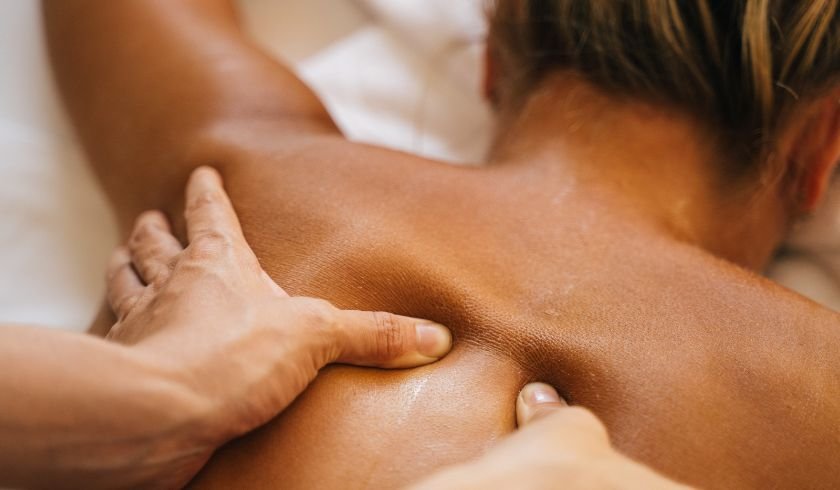
Massage and sleep are more connected than most people realise. When your body is tense, your mind stays alert — and that’s where the health benefits of massage become genuinely life-changing. It breaks that cycle at the physical level, giving your nervous system permission to finally stand down.
Reducing Stress and Calming the Nervous System
Your nervous system has two modes. Fight-or-flight and rest-and-digest. Modern life keeps most people stuck in the first one. Massage manually shifts you into the second.
A review in the International Journal of Neuroscience found massage reduced cortisol by 31%, while serotonin and dopamine rose significantly. That’s your stress dial turning down while your calm dial turns up — simultaneously.
Research from Frontiers in Neuroscience also shows gentle massage stimulates the vagus nerve — slowing heart rate, lowering blood pressure, and triggering deep relaxation almost immediately.
Soothing Muscles and Relieving Physical Tension
Tight shoulders. A clenched jaw. A lower back that aches for no reason. These aren’t just uncomfortable — they’re active barriers to sleep. Muscle tension keeps your brain on high alert. Massage interrupts that signal directly.
A study in the Annals of Internal Medicine found massage significantly outperformed relaxation therapy for chronic pain and sleep quality. Patients slept longer and woke less frequently.
What Does the Research Say?
A 2023 meta-analysis in Frontiers in Neurology ranked massage therapy highest among all non-pharmacological interventions for improving sleep quality. A 2025 study in Healthcare confirmed a single pre-bedtime massage helped chronic insomnia sufferers fall asleep faster and stay asleep longer — without medication.
The conclusion across multiple studies keeps pointing the same direction. Massage works for sleep — not as a luxury, but as a measurable, evidence-backed intervention.
The Best Massage Types for Better Sleep
Not all massages are created equal — especially when sleep is the goal. The technique, pressure, and timing all matter. Here’s what actually works and why.
Swedish Massage
Swedish massage is the gold standard for sleep. Long, flowing strokes calm the nervous system and improve circulation simultaneously. It’s gentle enough for anyone — and research consistently shows it produces the strongest relaxation response of any massage style.
Aromatherapy Massage
Combine therapeutic touch with lavender, chamomile, or sandalwood essential oils and you have a powerful sleep-inducing combination. Research published in the Journal of Alternative and Complementary Medicine found lavender aromatherapy significantly improved sleep quality in participants with mild insomnia.
Deep Tissue Massage
Deep tissue targets chronic muscular tension that lighter massage simply can’t reach. It’s more intense — but for people carrying significant physical stress, it’s often the most effective option for achieving genuine overnight relief.
Thai Massage
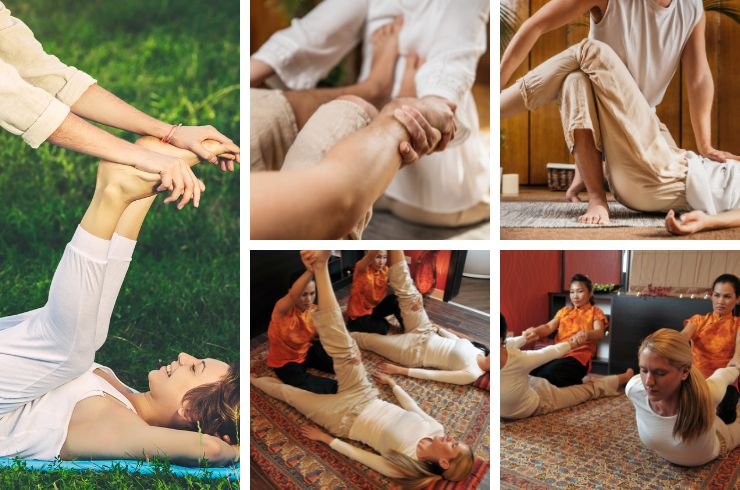
Thai massage combines acupressure, stretching, and rhythmic compression. It balances energy flow and releases deep-seated tension simultaneously. Particularly effective for people whose poor sleep stems from physical restlessness or chronic tightness.
Foot Reflexology
Reflexology applies targeted pressure to specific points on the feet corresponding to organs and systems throughout the body — including those regulating sleep cycles. Simple enough to practice at home before bed.
Hot Stone Massage
Heated stones placed along key muscle groups deliver deep warmth that penetrates further than hands alone. The result is profound muscular relaxation — particularly effective for people whose tension runs deep and whose sleep suffers because of it.
Pressure Points for Sleep
Acupressure has been used for thousands of years to promote relaxation and improve sleep. The idea is simple — apply gentle pressure to specific points on the body to trigger a calming response. Here are the five most effective points for sleep.
| Pressure Point | Location | How to Apply | Sleep Benefit |
|---|---|---|---|
| Spirit Gate | Outer wrist, below pinkie finger | Gentle circular pressure, 2–3 minutes before bed | Quiets an overactive mind |
| Three Yin Intersection | Inner leg, just above the ankle | Deep pressure, 4–5 seconds. Avoid during pregnancy | Stress-related insomnia relief |
| Bubbling Spring | Sole of the foot | Firm pressure while lying down | Grounds restless energy, eases transition to deep sleep |
| Inner Frontier Gate | Inner forearm, between two tendons, 3 finger-widths below wrist | Steady downward pressure | Soothes anxiety, headaches, and sleeplessness |
| Wind Pool | Where neck muscles meet the base of the skull | Firm circular thumb pressure | Reduces respiratory disruptions and stress |
Comparing Massage Modalities for Sleep
Choosing the right massage depends on your specific sleep problem. Stress-driven insomnia needs a different approach than pain-driven insomnia. This table cuts through the confusion.
| Massage Type | Intensity | Primary Sleep Benefit | Best For |
|---|---|---|---|
| Swedish | Gentle | Nervous system calm | General stress and anxiety |
| Aromatherapy | Gentle | Hormonal relaxation response | Mild insomnia, sensory sensitivity |
| Deep Tissue | Intense | Chronic tension release | Physical pain disrupting sleep |
| Thai | Moderate | Energy balance, flexibility | Restlessness, physical tightness |
| Reflexology | Gentle | Targeted pressure point stimulation | DIY home practice before bed |
| Hot Stone | Moderate | Deep muscular warmth | Deep-seated tension, cold sensitivity |
| Acupressure | Gentle | Nervous system regulation | Self-treatment, travel, daily routine |
One important nuance — intensity isn’t everything. A gentle Swedish massage performed by a skilled therapist will outperform an aggressive deep tissue session every single time when sleep is the goal. The nervous system responds to safety, not force.
Timing matters equally. Research suggests massage is most effective for sleep when received in the early evening — giving your body one to two hours to transition naturally into rest before bed.
Getting a Sleep Massage in Chiang Mai
Chiang Mai is one of the world’s great massage destinations. The city has hundreds of spas — from street-side shops charging a few dollars to world-class wellness centres. But when sleep is your goal, where you go matters enormously.
What to Look for in a Quality Spa
Credentials matter first. Look for therapists with formal training in traditional Thai massage or Swedish technique. A good spa will discuss your sleep concerns before the session — not just ask where it hurts.

Environment is equally important. Dim lighting, calming music, and quality aromatherapy oils signal a spa that understands the full relaxation experience. If the reception area feels rushed or clinical, the treatment room probably will too.
How Kiyora Spa Approaches Sleep-Focused Massage
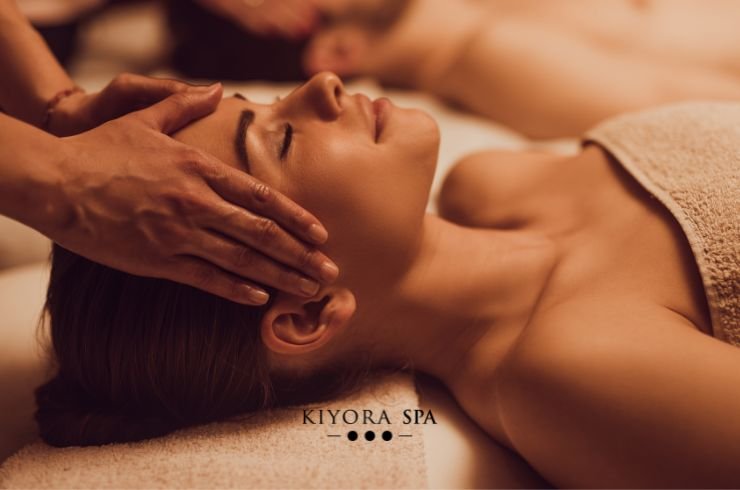
Kiyora Spa in Chiang Mai takes a genuinely personalised approach. Therapists are trained to identify whether your sleep issues stem from physical tension, stress, or nervous system dysregulation — and adjust their technique accordingly.
Their signature treatments combine Swedish and aromatherapy techniques specifically designed to lower cortisol and promote deep parasympathetic relaxation. It’s not a one-size-fits-all menu — it’s a tailored therapeutic experience.
Tips for Booking the Right Session
Book evening appointments where possible — ideally finishing one to two hours before your intended bedtime. Communicate your sleep struggles clearly at the time of booking. Request aromatherapy oils containing lavender or chamomile specifically. And avoid heavy meals immediately before your session — digestion competes directly with relaxation.
Making Massage Part of Your Sleep Routine
One massage helps. Regular massage transforms. The real benefits compound over time — like interest building in a savings account. Consistency is the key ingredient most people miss.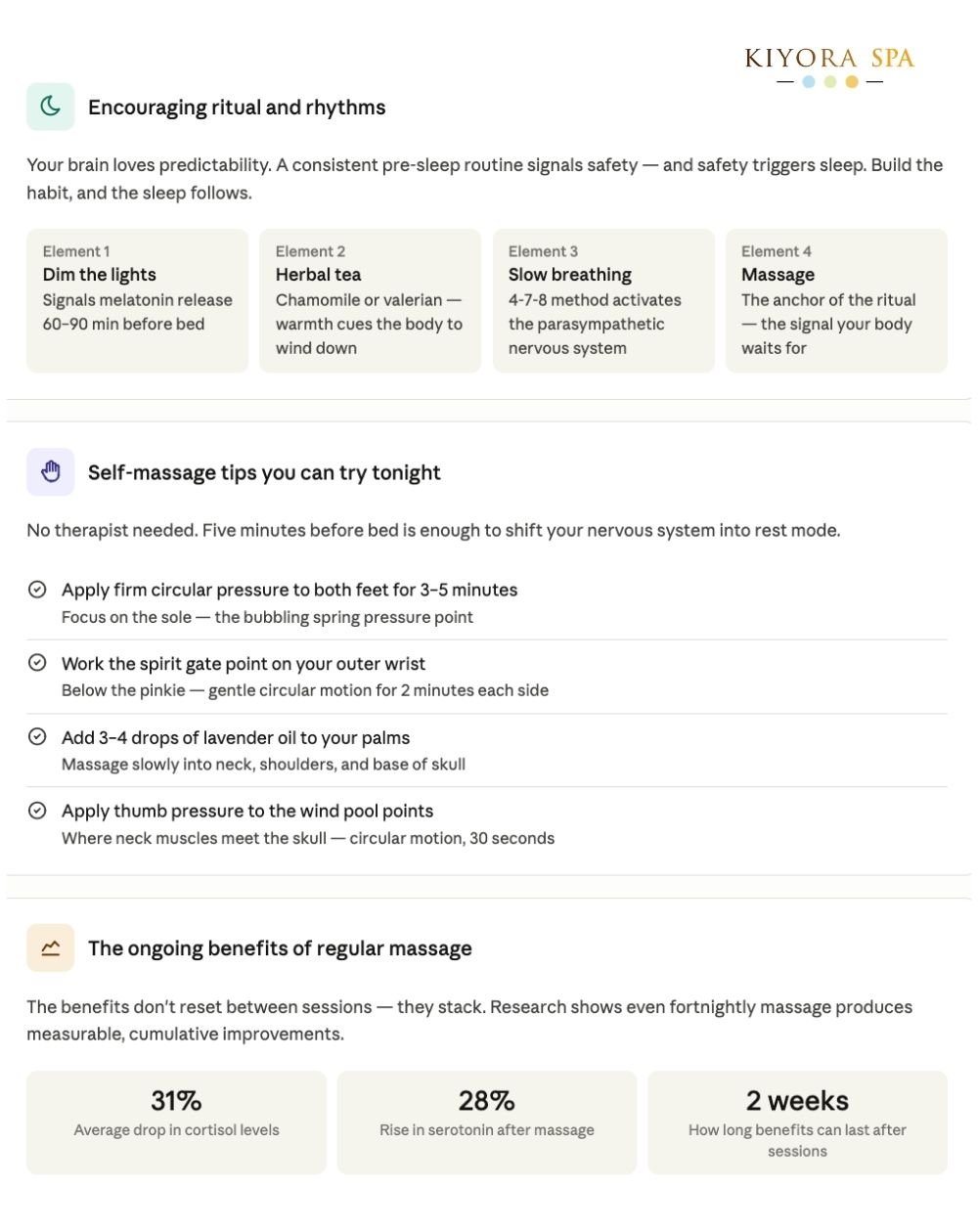
Massage and Sleep FAQs
Here are the questions people ask most often about massage and sleep — answered honestly and directly.
Can Massage Help With Insomnia?
Yes — meaningfully so. A 2023 meta-analysis ranked massage highest among non-pharmacological interventions for primary insomnia. It won’t replace medical treatment for severe cases — but as a first-line natural intervention, the evidence is compelling.
Which Massage Is Best for Sleep?
Swedish and aromatherapy massages consistently produce the strongest sleep-promoting results. Both target the parasympathetic nervous system directly. For chronic physical tension, deep tissue offers additional benefits.
How Long After a Massage Will I Feel Sleep Benefits?
Most people notice improved sleep the same night. Regular sessions produce cumulative benefits — with measurable improvements typically appearing after three to four consistent sessions.
When Should I See a Doctor About Poor Sleep?
If insomnia persists beyond three weeks, consult a doctor. Massage complements medical treatment beautifully — but it doesn’t replace professional diagnosis when something deeper is driving your sleeplessness.
Is One Massage Enough or Do I Need Regular Sessions?
One session delivers real, immediate benefits. But lasting change requires consistency. Think of single massages as spark plugs — they ignite the process. Regular sessions keep the engine running smoothly.

Related Posts